

International Association of Aviation Personnel Schools FOR HIGH EXPERTISE AND SAFETY IN AVIATION
Simplify EASA!
EASA has initiated a rule simpification programme. EASA is advancing short-term actions under EPAS 2026, focusing on targeted initiatives to streamline regulations, reduce administrative burdens, enhance readability, and align requirements across key areas, including pilot licensing and training systems, medical standards for pilots and air traffic controllers.
You can find more details on the EASA rule simplification programme here:
https://www.easa.europa.eu/en/document-library/rulemaking-process-overview/easa-rule-simplification-programme
IAAPS welcomes the programme and has submited a coordinated response to the stakeholder feedback survey that was ran in late 2025 to drive the vision of a performance-based regulatory framework. IAAPS proposes to provide ATOs with the necessary flexibily to implement the most effective training design.
IAAPs has presented the vision described above to the European Comission (EC) and is submitting a coordinated response together with EAMTC.
On the following link you can find the presentation delivered by Thomas Leoff (IAAPS) and Hans Meyer (EAMTC) to the EC on 27th of November 2025:
Regular Meetings of the Executive Committee via Teams
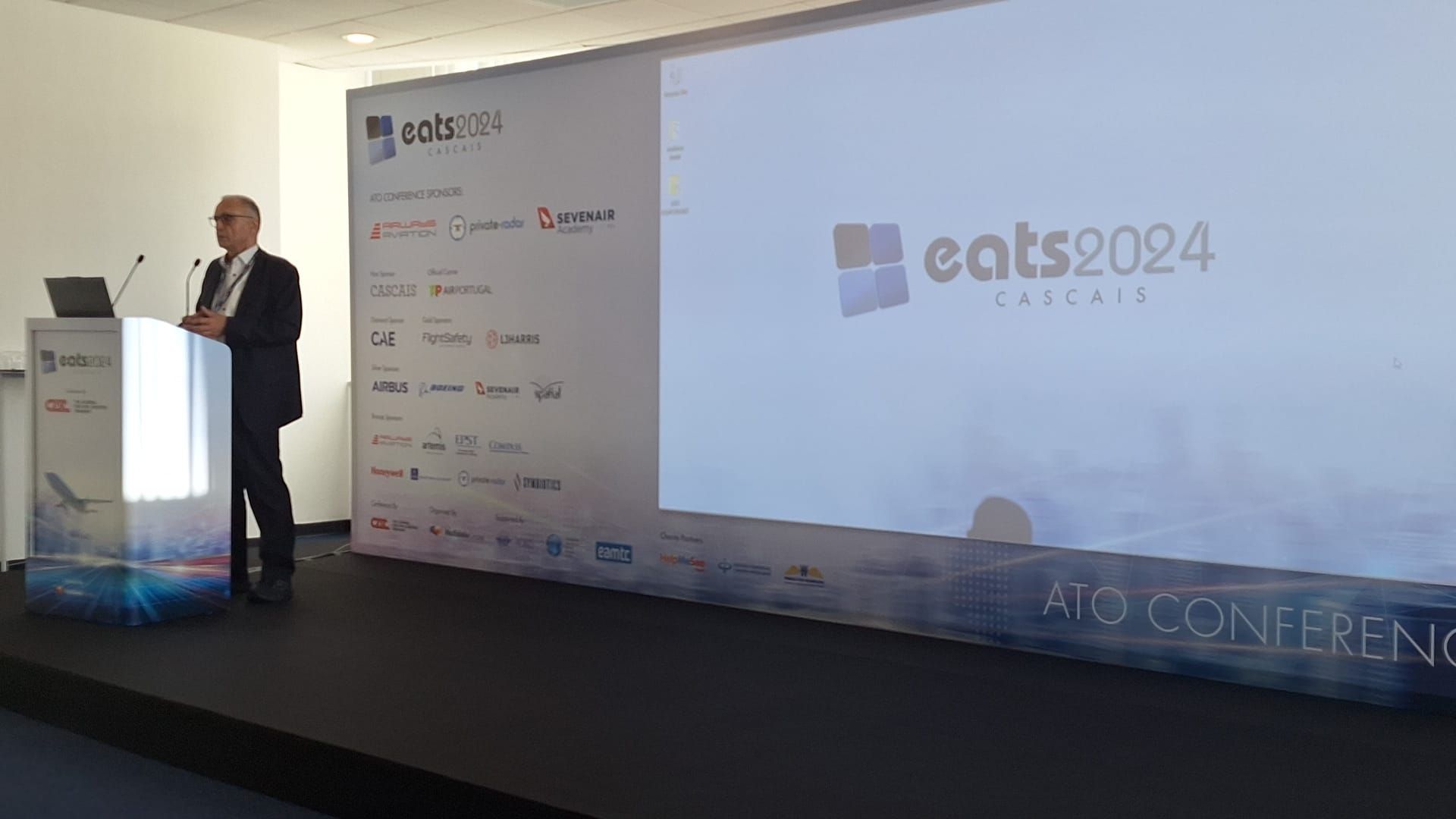
IAAPS is an association of self respecting training organisations. Every aviation training organisation should be a member of IAAPS, as we contribute to a high quality of training of aviation personnel.
Your aviation training organisation or company has to be represented, so join IAAPS!
To become a member of IAAPS you are kindly requested to send your application for membership to the secretary secretary@iaaps.info with a brief description of the activities of training, to what licence, which training means and how many students per year or other activities from you or your company related to aviation training.
IAAPS is a global association of aviation training organisations formed for the purpose of maintaining and improving standards of training for aviation personnel and to serve the joint interests of members within the aviation training industry.
Currently representing member organisations, IAAPS aims to achieve its goals by:
- participating in discussions concerning training standards and methods
- representing members' interest to authorities, societies, suppliers, and other relevant organisations
- promoting appropriate standards to authorities and industry
Quote from one of our members.
"As you probably know, the issues related to our question have been published last week.
We really appreciate the inputs and feedback you have provided us. It really has helped with some students that were concerned about it".